The Familiar Face in the Interview Room
You are reviewing applications for a critical role at your Charleston headquarters or your Greenville manufacturing facility when a familiar name jumps off the page. It is a former employee—someone who left your organization a few years ago on good terms to pursue a different opportunity.
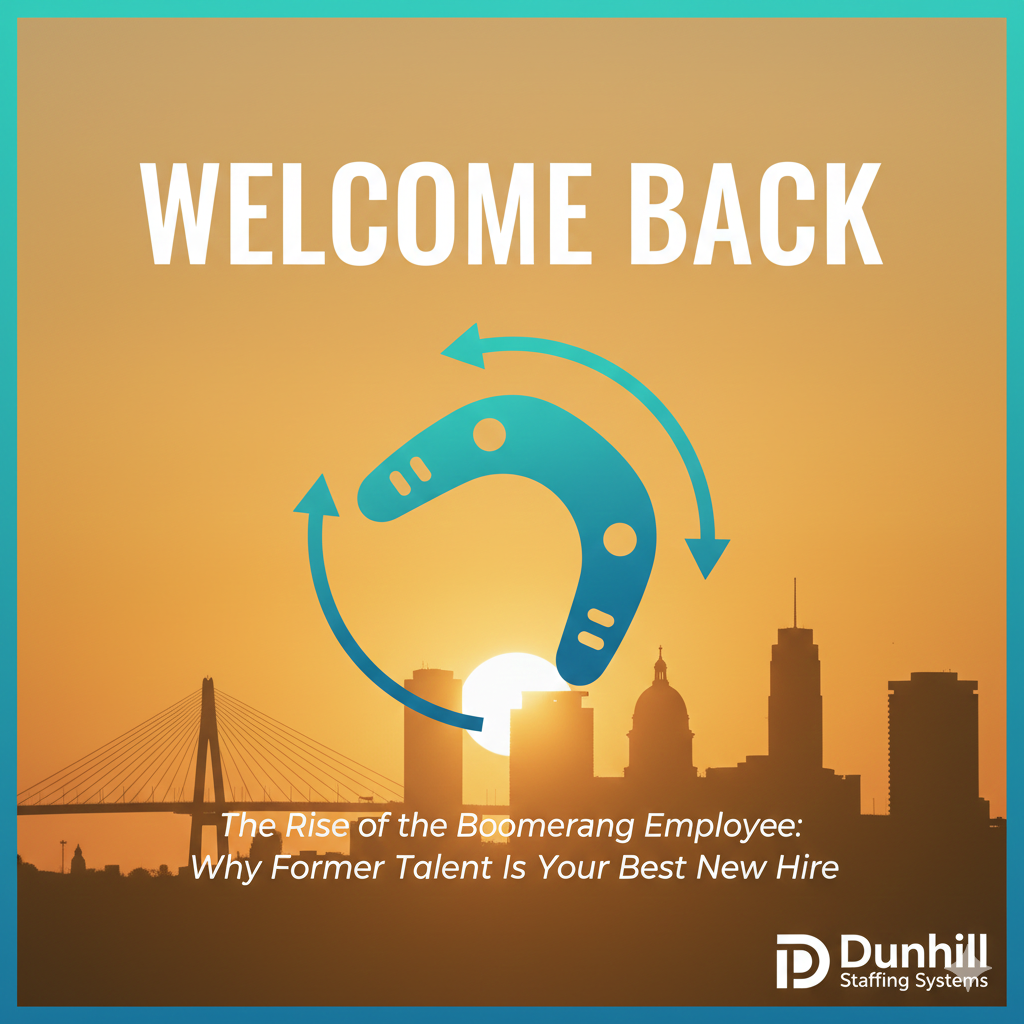
In the 2026 South Carolina job market, this scenario is becoming increasingly common. These individuals, known as “boomerang employees,” are professionals who leave a company only to return later with new skills, fresh perspectives, and a deep understanding of your existing culture. While some managers might hesitate to “look backward,” smart leaders in the Lowcountry are realizing that rehiring proven talent is one of the most effective ways to build a high-performing team.
Why Boomerang Employees Are a Strategic Win
Hiring a boomerang employee isn’t just a trip down memory lane; it is a calculated business move that offers several distinct advantages for your South Carolina firm.
- Reduced Time-to-Hire and Training: Unlike a completely new hire, a boomerang employee already knows your systems, your clients, and your internal language. This significantly shortens the onboarding process and allows them to reach full productivity in a fraction of the time.
- Fresh Expertise: During their time away, these professionals likely gained experience at other firms—perhaps even competitors. They return with a “best practices” mindset and new technical skills that can revitalize your current operations.
- Cultural Certainty: One of the biggest risks in hiring is cultural fit. With a boomerang employee, you already know how they interact with the team and whether they align with your core values. This eliminates the “guessing game” of a traditional search.
Navigating the Re-Entry Process
Even if the employee was a “rockstar” during their first tenure, you should still treat the re-hiring process with professional rigor.
- Understand the Exit: Why did they leave initially? If they left because of a specific manager or a lack of growth, have those conditions changed?
- Assess the “New” Skills: Don’t just hire the person they were. Focus on the person they are now. Ask about the projects they led and the software they mastered while they were away.
- Set New Expectations: Treat the return as a new chapter. Ensure they are aligned with the company’s current goals in North Charleston or Columbia, rather than relying on “how we used to do things.”
The Impact on Team Morale
According to research from the Society for Human Resource Management (SHRM), seeing a former colleague return to the company can actually boost the morale of your existing staff. it sends a powerful message that your organization is a “destination employer”—a place where talented people choose to return because the culture and opportunities are superior.
A Real-Life Moment: The Return to the Lowcountry
Consider a senior mechanical engineer in Summerville who left a local aerospace supplier to work for a tech startup in Austin. Two years later, he missed the South Carolina lifestyle and reached out to his former manager. He returned not only with his original deep knowledge of their production line but also with advanced automation skills he learned out West. He was able to lead a new robotics initiative within his first month back. While this may be not an actual event, it characterizes the value of a professional recruiting partner.
Is it Time to Welcome Someone Back?
Rehiring former talent requires a culture of honesty and integrity. If you have maintained positive relationships with your alumni, the “boomerang” model can be your secret weapon for scaling your technical or engineering teams.
As the premier recruitment partner in the region, Dunhill Staffing Systems specializes in identifying the best talent for your unique needs—whether they are new to your radar or a familiar face. If you are looking for accounting support or specialized leadership, visit Dunhill’s Job Portal today.